
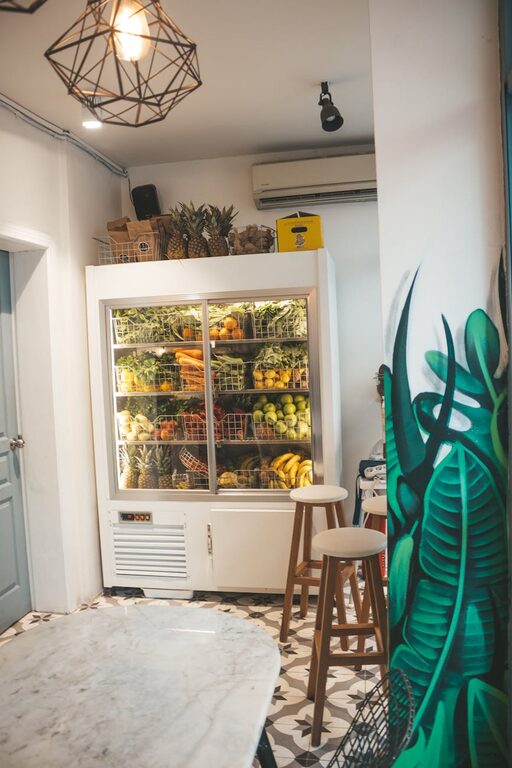
How to Keep a Tidy Fridge and Pantry: Simple Steps for Organized Storage
Keeping your fridge and pantry tidy might seem like a small task, but it plays a big role in maintaining a clean kitchen, reducing food waste, and saving time when cooking. With a few simple habits and smart strategies, you can enjoy a well-organized food storage area that makes meal prep easier and your ingredients fresher for longer.
In this post, we’ll share practical tips and tricks on how to keep your fridge and pantry neat, efficient, and clutter-free.
Why Keeping Your Fridge and Pantry Organized Matters
Before diving into the how-to, it’s helpful to understand why this matters:
– Reduces Food Waste: You’re more likely to use what you see rather than letting food expire unnoticed.
– Saves Time: Finding ingredients quickly speeds up meal prep.
– Improves Hygiene: Regular cleaning prevents mold and bacteria buildup.
– Increases Storage Efficiency: Maximizes your space so you can store more without clutter.
How to Organize Your Fridge
1. Empty and Clean Regularly
Start fresh by taking everything out. Throw away expired or spoiled food. Wipe down shelves and drawers with a mild cleaner or a mixture of warm water and vinegar to remove spills and odors.
2. Categorize Your Items
Group similar foods together:
– Dairy products
– Fruits and vegetables
– Meats and seafood
– Condiments and sauces
– Leftovers
3. Use Clear Storage Bins
Clear containers help keep like items together and make it easier to spot what you have. For example, use a bin for yogurt cups or another for snack-sized cheese.
4. Know Your Fridge Zones
Different parts of the fridge have different temperatures:
– Top Shelves: Ideal for ready-to-eat items like leftovers and drinks.
– Middle Shelves: Great for dairy products.
– Bottom Shelves: Coldest area, perfect for raw meat and fish (keep these in sealed containers).
– Crisper Drawers: Designed for fruits and vegetables; some fridges even offer humidity controls for each drawer.
– Door Shelves: Best for condiments, sauces, and jars since temperature here fluctuates the most.
5. Label and Date Your Food
Label leftovers and opened products with the date to keep track of freshness. This simple step helps prevent unnecessary waste.
6. Don’t Overcrowd
Air circulation is important to keep food fresh. Avoid stuffing the fridge too tightly, and remove items you don’t use often.
How to Organize Your Pantry
1. Declutter First
Empty the pantry completely. Toss out old, expired, or stale food, and clean shelves with a damp cloth.
2. Group Pantry Items
Sort your items by type:
– Baking ingredients (flour, sugar, etc.)
– Canned goods
– Grains, rice, pasta
– Snacks
– Spices and seasonings
– Breakfast foods
3. Invest in Storage Containers
Use airtight containers to store dry goods. This keeps food fresh and prevents pests. Clear containers also help you quickly identify items.
4. Use Labels
Label containers with contents and expiration dates. This helps family members find what they need and encourages using items before they expire.
5. Arrange by Frequency of Use
Place most-used items at eye level or near the front for easy access, and store less-frequently used items higher or lower.
6. Use Shelf Risers and Baskets
Maximize vertical space by adding risers. Baskets are great for grouping similar items and keeping small packets organized.
7. Consider a Inventory System
Keep a list of pantry staples and update it when you run out or buy more. This can be a simple notepad on the pantry door or a digital list on your phone.
Maintenance Tips to Keep it Tidy
– Weekly Quick Check: Spend a few minutes spotting expired items or spills.
– Shop with a List: Prevent overbuying and duplicate items.
– Rotate Items: When restocking, move older items to the front.
– Clean Spills Immediately: Prevent sticky messes by wiping spills as they happen.
– Regular Deep Clean: Aim for a full clean every few months.
Final Thoughts
By implementing these straightforward habits, your fridge and pantry can stay tidy and functional. Not only will your kitchen look cleaner, but you’ll also save money and reduce food waste. Start with one section at a time, and enjoy the benefits of an organized space that makes cooking and eating more enjoyable.
Remember, keeping your kitchen organized is an ongoing process, but with regular attention, it becomes second nature. Happy organizing!
